
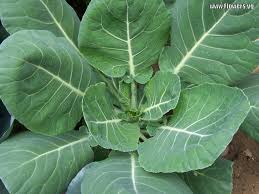
We are experimenting with a KALE plant. The plant is quite tall compared to the rest and has a dark green shade on all of its leaves. The plant also has many leaves, so it is looking healthy. There are a few insects that have decided to snack on our plant but no leaves are totally missing just several holes in a few of the healthy, thick, dark leaves. We can easily tell that the dominant gene in our plants parents is height, thickness, and a dark green color. The dominant gene could've been in just one of the plants but i believe it was likely in both of the plants. We can predict the offsprings by finding the dominant gene in our plant and its mate then creating a punnet square of the dominant and recessive genes to find out the probability that the offspring will have a trait from the dominant gene or a homozygous recessive gene. They could acquire these traits from meiosis, when the plant makes 4 gametes then either makes the genes cross-over or do independent assortment giving an almost random chance at any gene from one of the parents or a little from both. But that chance, i am inferring, is all of the heterozygous dominant-recessive gene or a homozygous recessive gene. Our plant will pass its genetic information by transporting its dominant genes to its gametes therefore making another plant with mostly the same traits. So many forms appeared by the different combinations that meiosis produced through crossing-over and independent assortment and all the traits being the same with a likely chance at the plant having a few differences.

No comments:
Post a Comment